|
Most people think that when
they communicate it is words that convey their meaning. However,
according to researchers, this is not the case. Several studies
have shown that around 55% of communication takes place non-verbally.
This means that, either consciously or sub-consciously, our
interpretation of what people are "saying" is based
not only on their words but on other factors as well.
These are just some of the things researchers say we notice
when we talk to people:
|
* How they look at and greet
us
|

|
|
|
* Where they sit or stand in
relation to us
|

|
|
|
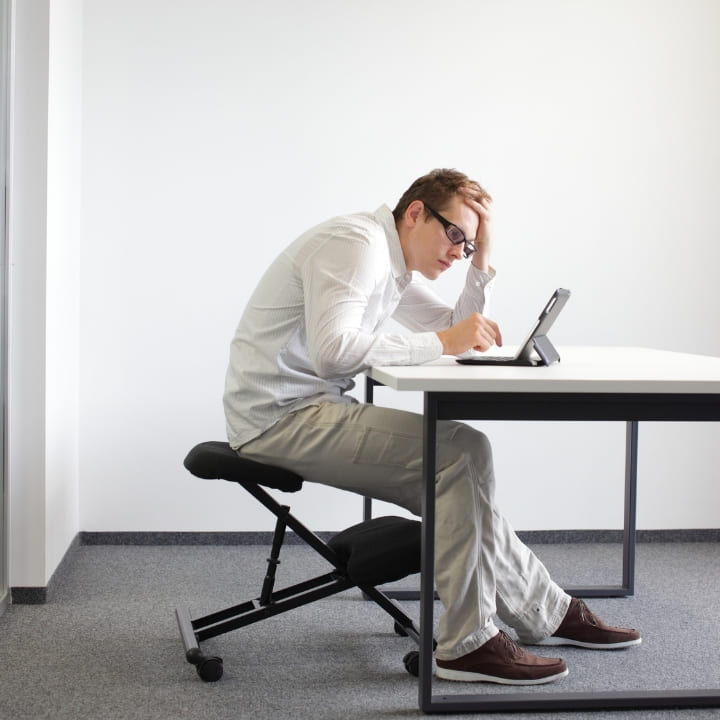
* How they sit or stand
|
|
|
|
* Their facial expression
|

|
|
|
* How they move their arms,
hands, legs and feet to change their posture
|

|
|
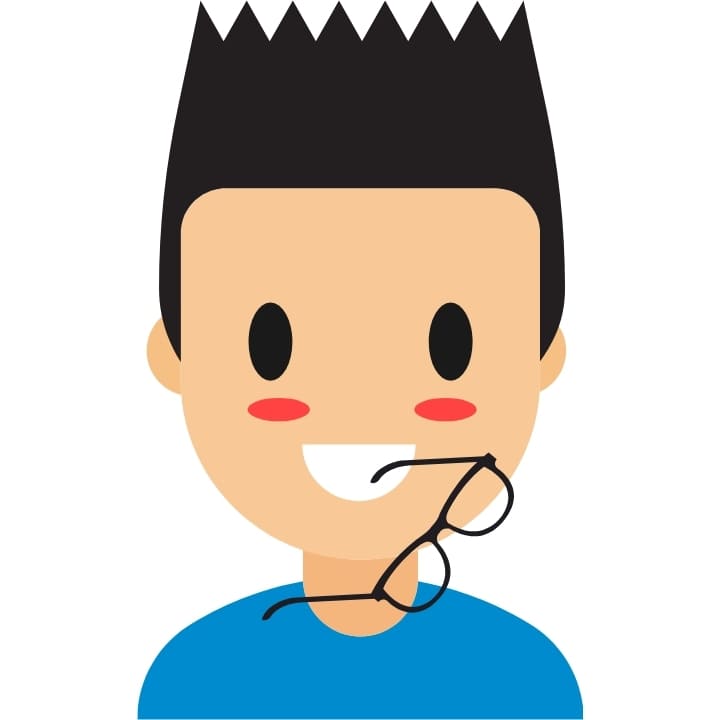
* Whether they fiddle with their glasses or doodle with a pen
|
|
|
In
the workplace, body language plays an extremely important role.
When a colleague or boss talks to us, it is very important to
make eye contact. It shows we are interested and open to what
they are saying. Looking away when someone talks to us can suggest
disinterest and untrustworthiness. In addition, when we are
meeting someone for the first time, a firm handshake gives the
impression that we have a strong character and are sincere and
reliable.
Respecting an individual's
personal space is also important. Sitting or standing too closely
to people can make them feel extremely uncomfortable. Unless
we know a person very well, researchers suggest standing at
least one metre away from him or her in order to create a comfortable
distance.
By body language we mean our posture, facial expressions and
the way we move our arms, hands, legs and feet. Body language
says a great deal about us. For example, we may begin a meeting
with our boss feeling calm and well-prepared, but as the meeting
progresses, we may start to feel threatened and become more
uncomfortable. During this time our body language will change,
too, giving out a lot of powerful clues about our emotional
state at the time.
In just one meeting, we may change from sitting up straight
(showing alertness), to slouching (indicating boredom), smiling
(demonstrating pleasure), fiddling with a pen (suggesting uneasiness),
crossing our arms (showing defensiveness), or clenching our
fists on the table (showing aggression). If we are aware of
the importance of body language, it can help us to control our
behaviour and help us to "read" the behaviour of others.
It must be stressed that this article is written from a Western
perspective. If you have any intention of travelling to another
country, we advise you to do some research before you leave
about appropriate body language for that country. The body language
mentioned here may be interpreted quite differently in other
cultures.
Happy "people watching"!
|
|